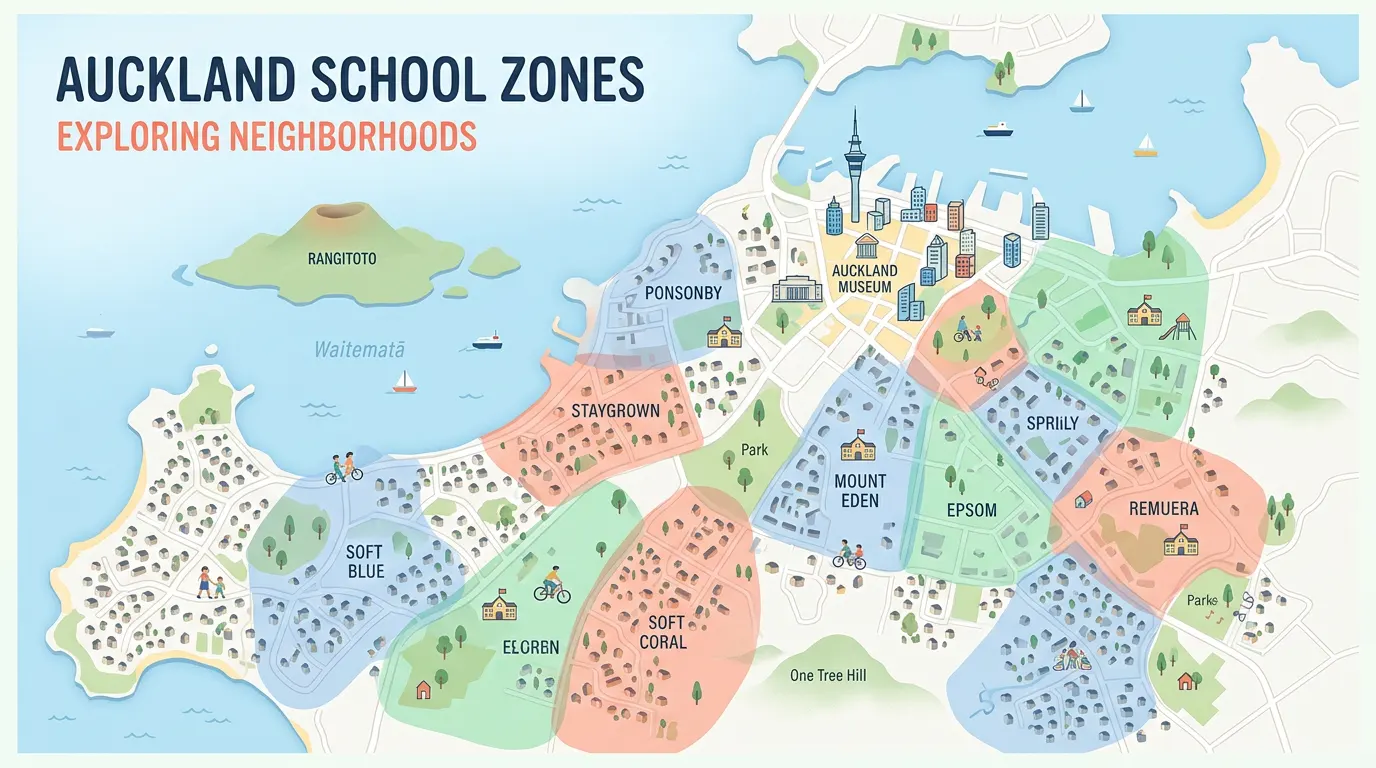

In New Zealand, ensuring every child has access to quality education regardless of their background is a key national priority. For nearly three decades, the country relied on the school decile system to allocate government funding to schools facing socio-economic challenges. However, the decile system was often criticised for being a blunt instrument that stigmatised schools and failed to target funding where it was needed most.
To address these shortcomings, the Ministry of Education introduced a major reform: the Equity Index (EQI). Officially rolled out in 2023, the Equity Index remains the foundational system for school funding and resource allocation in 2026. This guide explains what the Equity Index is, how it works, and how it impacts schools and Kiwi families across Aotearoa.
📌 Did You Know?
The old decile system divided schools into ten equal groups based on census data of the area they were located in. In contrast, the Equity Index uses anonymous, individual-level socio-economic data of the actual students attending the school, providing a much more accurate picture of need.
What is the Equity Index (EQI)?
The Equity Index is a statistical model that estimates the extent to which students at a particular school face socio-economic barriers that can impact their educational achievement. Unlike the decile system, which rated schools from 1 to 10, the Equity Index assigns each school a number between 344 and 569.
- Higher Number = Higher Needs: A higher Equity Index number indicates that the student population faces greater socio-economic barriers. Consequently, these schools receive more equity funding.
- Lower Number = Lower Needs: A lower index number indicates fewer socio-economic barriers among the student body, resulting in less equity funding.
- Not a Measure of Quality: It is crucial to understand that the Equity Index is not a rating of a school’s teaching quality, student behaviour, or academic standards. It is purely a funding mechanism to address external socio-economic barriers.
How the Equity Index is Calculated
The Equity Index is calculated using 24 socioeconomic indicators sourced from the Integrated Data Infrastructure (IDI), a secure database managed by Stats NZ. The IDI links data from various government agencies, including the Ministry of Social Development, Inland Revenue, and the Ministry of Health.
The index looks at several factors related to the children who have enrolled at the school over the past few years, including:
- Parental Income and Employment: Average income of parents and history of benefit receipt.
- Parental Education: Qualifications held by the parents.
- Family Structure: Family circumstances, including parent age at birth.
- Care and Justice Interactions: Child youth justice or care and protection history.
- Migration History: Time spent in New Zealand or refugee background.
⚠️ Privacy Protection
To protect student privacy, all data used in the Equity Index is completely anonymised. No individual student profiles are created, and neither the Ministry of Education nor school staff can see the socio-economic data of individual children or families. The model only generates a collective score for the entire school.
Deciles vs. Equity Index: A Comparison
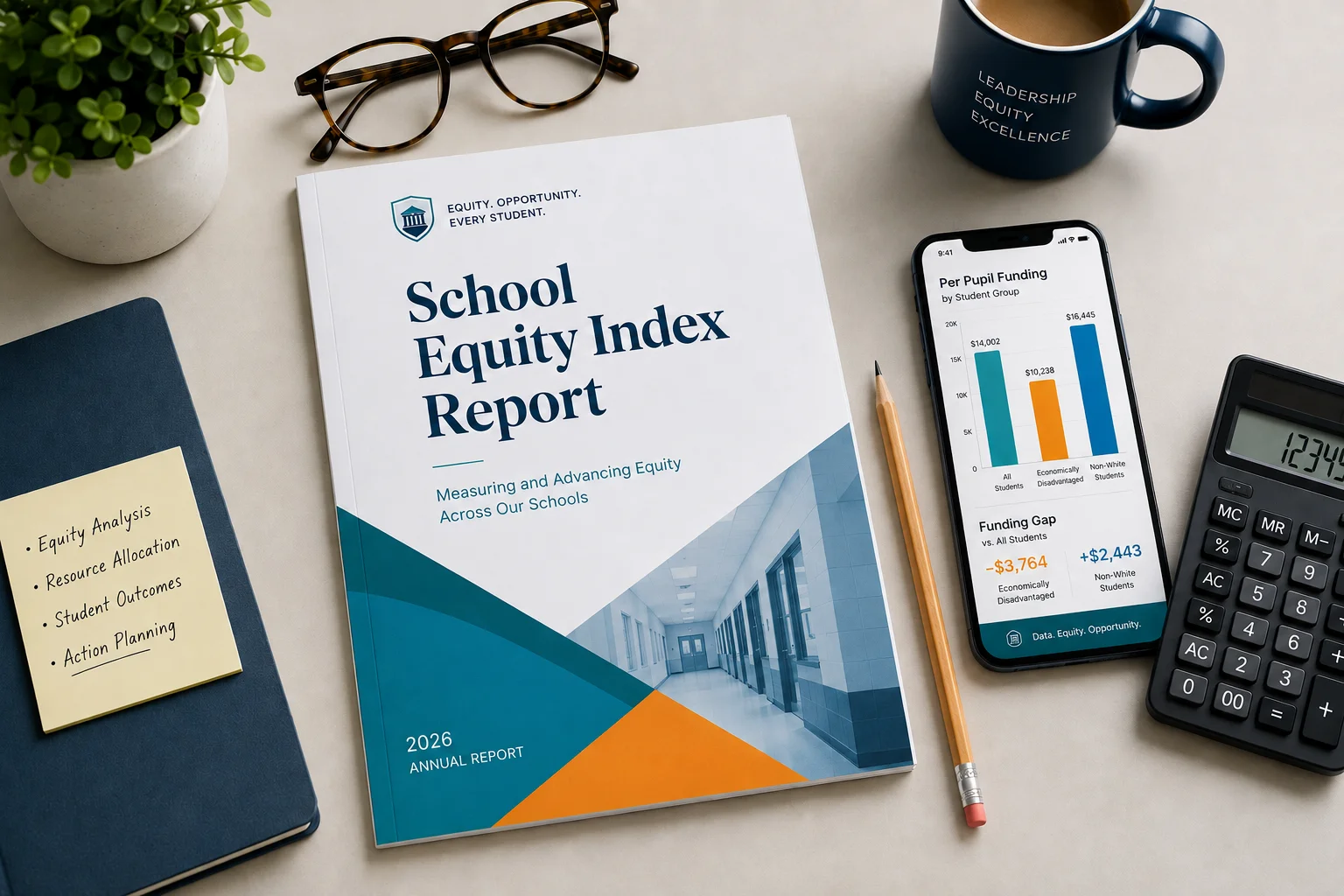
To understand why this change was made, it helps to compare the two systems side by side:
| Feature | Old Decile System | Equity Index (EQI) |
|---|---|---|
| Scale | 1 to 10 (10 groups) | 344 to 569 (continuous scale) |
| Data Source | Census data of the school’s neighbourhood (every 5 years) | Individual student data from the IDI (updated annually) |
| Accuracy | Assumed students shared the characteristics of their neighbourhood | Reflects the actual socio-economic reality of enrolled students |
| Stigmatisation | High. Deciles were often incorrectly used as school quality ratings | Low. A complex, multi-digit number is less likely to be used as a simple label |
| Update Frequency | Every 5 years (following the census) | Every year, allowing funding to adjust to rapid demographic shifts |
How the Equity Index Affects Funding in 2026
The primary purpose of the Equity Index is to distribute the Ministry of Education’s equity funding pool, which accounts for about 6% of total school operational funding. In 2026, this funding is allocated as follows:
1. Per-Pupil Funding Rates
Every school with an Equity Index above a certain threshold receives a specific dollar amount per student. The rate increases for every point on the index. For example, a school with an EQI of 400 receives a modest amount per student, while a school with an EQI of 520 receives significantly more per student to help mitigate barriers.
2. Funding for Resources and Support
Equity funding is flexible, allowing school boards and principals to spend it where they believe it will have the most impact. Typical uses of equity funding in 2026 include:
- Hiring additional teacher aides or specialist teachers.
- Purchasing learning resources, technology, or stationery for students who cannot afford them.
- Subsidising school trips, camps, and extracurricular activities to ensure all students can participate.
- Providing pastoral care and counselling services.
3. Eligibility for Key Government Initiatives
In 2026, several major national programmes use the Equity Index to determine eligibility:
- Ka Ora, Ka Ako (Free School Lunches): Schools must be in the top 25% of highest socioeconomic barriers (higher EQI values) to participate. You can learn more in our detailed guide on the Ka Ora, Ka Ako school lunch programme.
- School Donation Scheme: Schools with an Equity Index above a certain threshold are eligible for the scheme. Under this scheme, the government pays the school $154 per student per year if the board agrees not to ask parents for voluntary school donations. To learn more about parent contributions, read our guide on school donations in NZ.
🌱 Parent Tip
You can check a school’s Equity Index score and read their latest performance evaluation by accessing their official ERO report. Knowing a school’s index helps parents understand the level of government support a school receives. For a step-by-step guide on interpreting these reports, read how to read an ERO report.
Conclusion
The Equity Index represents a modern, data-driven approach to educational equity in New Zealand. By looking at the actual circumstances of students rather than their geographic postcode, the EQI ensures that funding goes exactly where it is needed most. For parents and communities in 2026, this means a fairer, more responsive system that supports schools in helping every student achieve their potential, regardless of their start in life.